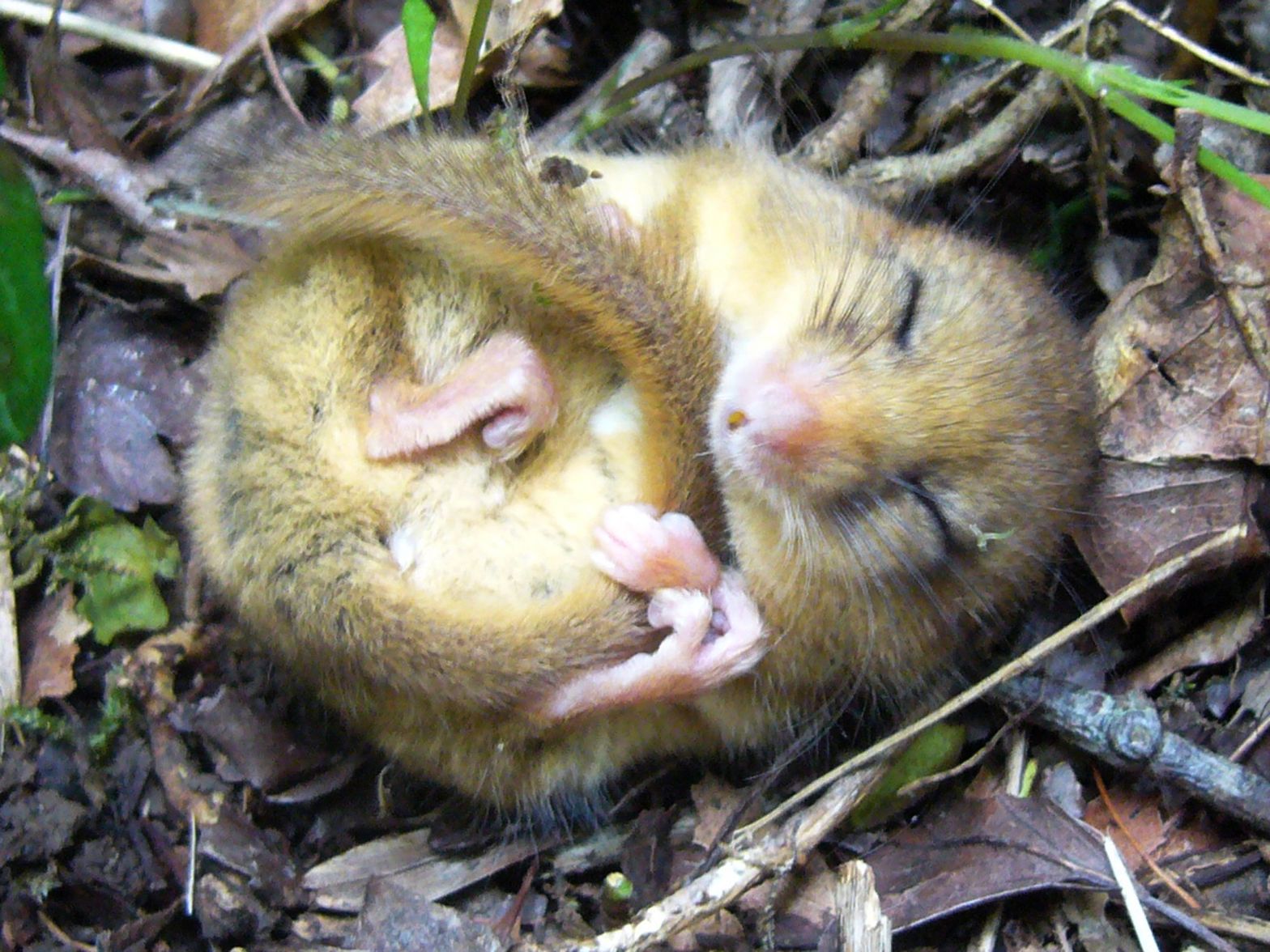
After the festivities of December come the cold, dark months of January and February.
It’s tempting for us to behave like some animal species at this time of freezing temperatures and food scarcity, and go to sleep until the brighter days of spring appear.
Hibernation is a natural process that allows animals to survive the winter by reducing their metabolic activity to conserve energy. Animals prepare for hibernation by eating extra food in the autumn to store as body fat that insulates their bodies and provides energy. During hibernation, an animal’s body temperature drops, breathing slows, and its heart rate decreases.
Hibernation can last for several months, and animals can go weeks without eating or drinking. They may wake up occasionally to urinate, drink, or look for food.
Some researchers believe that early humans may have hibernated to survive harsh winters. They point to fossils that show seasonal variations in bone growth, which may indicate a metabolic state that allowed early humans to survive when conditions got glacial. There is also evidence that before the luxury of electricity and food transportation, traditional communities in Siberia and Greenland would sleep through harsh winters, rising once a day for a nibble of bread and a drink of water before disappearing under the sheets, while people took turns to keep the fire going.
Bats
In the UK, only three mammals fully hibernate: hedgehogs, dormice and different species of bat, whose main food source of insects aren’t around in the winter.

On the Sudbury common lands, the pill boxes along the River Stour have been converted to bat hibernacula and Daubenton’s, Natterers, and brown long-eared bats have been recorded using the concrete constructions to lie-low during winter. The doors and gun-holes have been blocked to provide a stable internal temperature and water baths placed inside to help maintain a high level of humidity.
Specially designed ‘bat-bricks’ have also been added to provide suitable crevices for bats to roost in.
Interestingly, bats mate during the autumn, just before hibernation, and the females have adapted to store the sperm and not ovulate until the spring, after the hibernation period, when there is enough food to support the pregnancy.
Badgers
Other species of mammals, such as badgers, go into a state called torpor. Cycles of torpor last for around 30 hours, during which badgers retreat to their setts and survive there without food when the weather is too harsh to venture outside.
Grass snakes, frogs and toads
Because reptiles like grass snakes rely on the sun to regulate their body temperature, hibernation is essential for their survival in colder times. A reptile’s hibernation is called brumation. When grass snakes emerge from brumation, they replenish their energy by feeding and basking in the sun, before going on to breed and lay eggs.
Amphibians also become dormant over winter and frogs and newts will hibernate on the bottom of ponds during the cold months.
Insects
Some insects, like honeybees and ladybirds, will huddle together for warmth to combat the cold.
Some use a process called diapause, which can occur at any stage of an insect’s development, which could be as an egg, larvae or adult form. Diapause is a state of stasis where the insect’s appetite and development is slowed right down, until temperatures warm up.
Some of the UK’s 59 butterfly species will migrate as winter closes in, but most also enter a dormant phase. Only five species, however, hibernate in their adult form. Comma and brimstone butterflies will hide among ivy and leaf litter with the brimstone among the first to emerge with early signs of spring.
Peacocks, small tortoiseshells and red admirals look for holes to hibernate, be they hollow trees, log piles and old rabbit holes. They also like dark, damp and unheated sheds and garages. Central heating is not good for hibernating butterflies as it causes their wings to desiccate – so if you find a butterfly hibernating in your house, rouse it gently and relocate it to a sheltered spot outside, such as garden shed.
Then, hopefully, they will re-emerge beautiful and shiny in the spring, as many of us hope to.
 Suffolkwilds