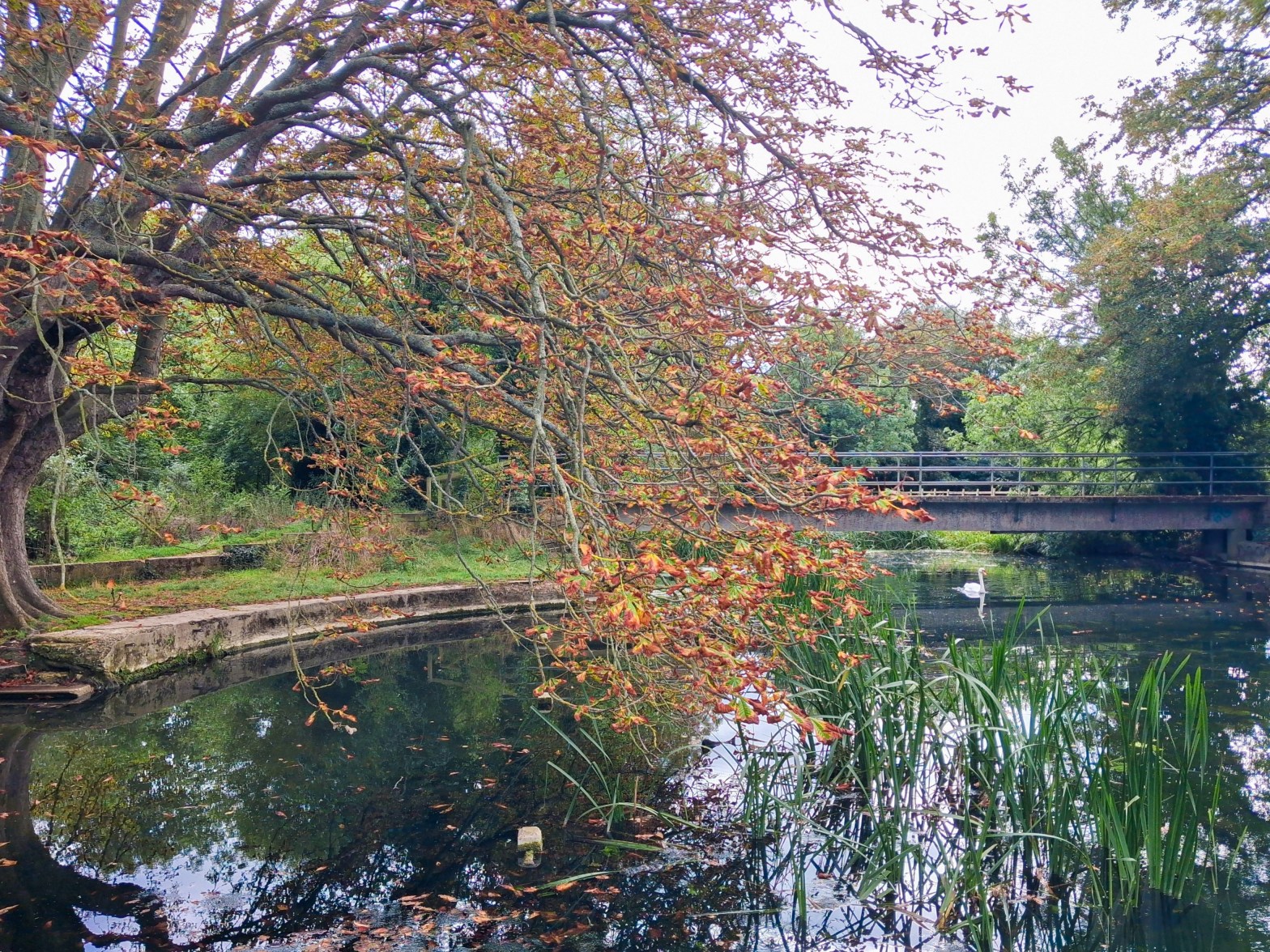
One of my favourite spots on my local common lands is the Old Bathing Place – a site where townsfolk used to take a dip in the river. It opened in 1898 and was in use until the late 1930s when it was closed after an outbreak of diphtheria in the town.
You can still see the ruins of the pool today – submerged steps and railings, and a semicircle of worn coping stones marking the place to enter. Marvelous online photographs from the Sudbury Photo Archive show boys and girls dressed in their full-body bathing costumes tightly packed into this aquatic playground.
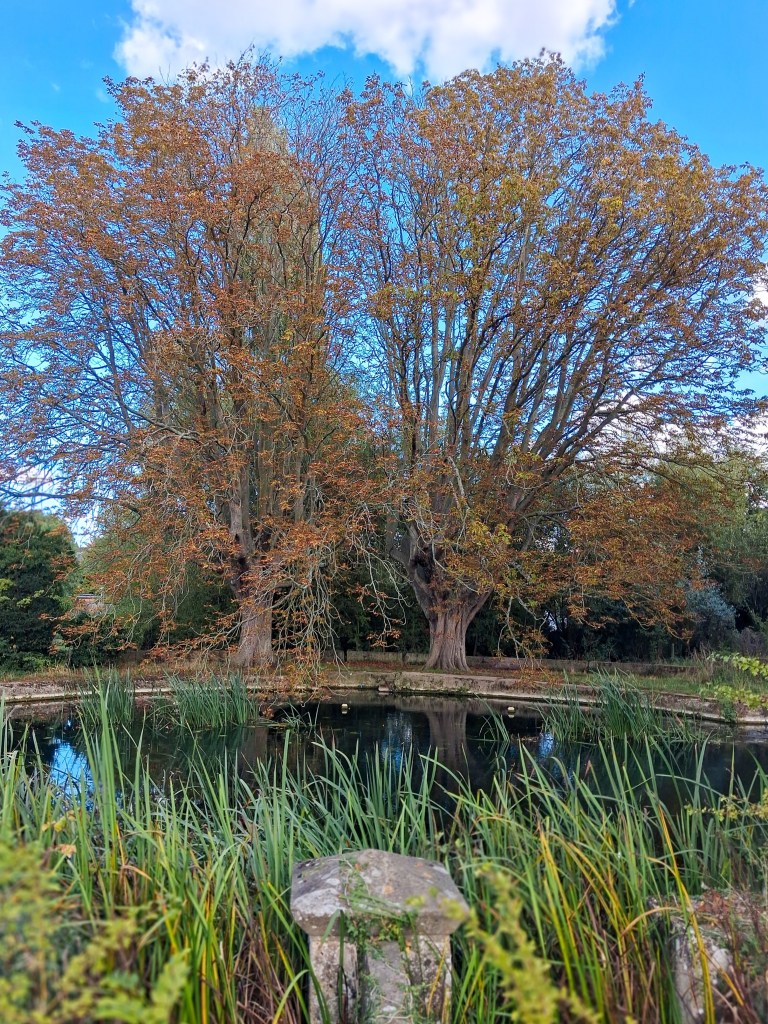
The archive pictures also reveal some old changing cubicles and in front of them at least four young horse chestnut trees growing on the bank. Today, the cubicles have gone and only two of the horse chestnuts remain: magnificent waterside sentinels guarding this atmospheric place. Each must be over 100 years old, the largest boasting a circumference of more than 3 metres. But despite the trees’ impressive size and the majestic way they frame the location, it does not take long to notice that in 2026 all is not well with this pair of Aesculus hippocastanum.
Unholy trinity
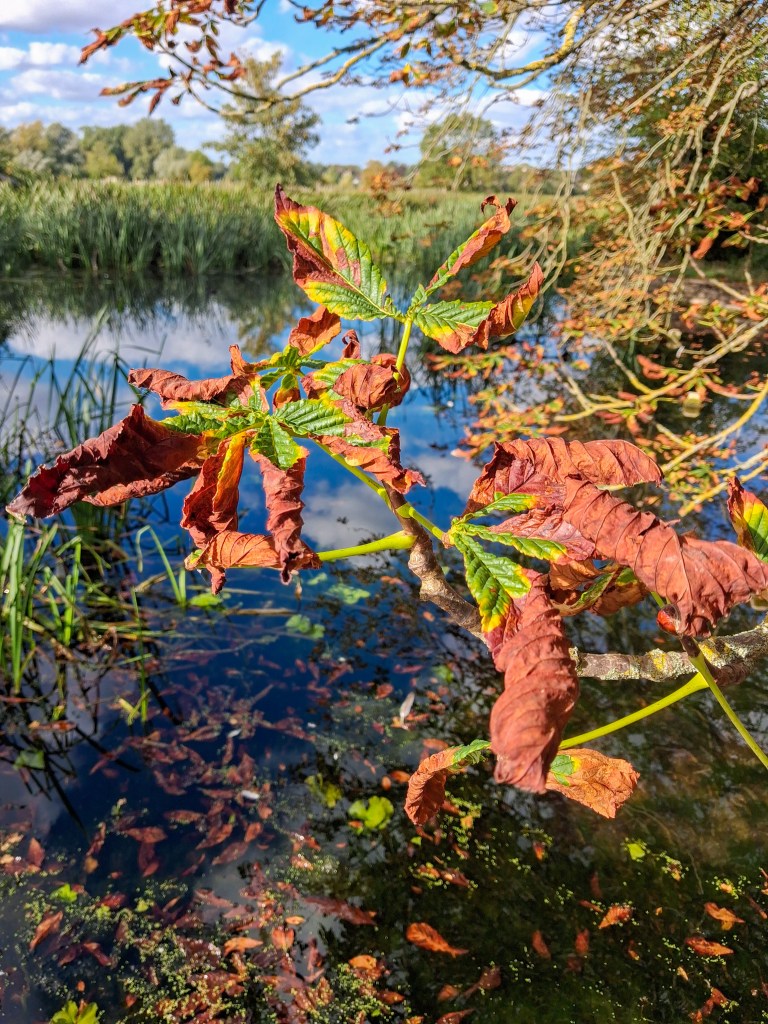
Every one of their leaves is brown and withered, many of them having fallen prematurely to the ground and into the river, resembling crumbled koi carp below the water’s surface. Further on my walk I find more horse chestnuts near Brundon Mill, equally sick-looking. They are stark evidence that the UK population of horse chestnuts faces a number of threats.
Two come from the horse chestnut leaf miner moth whose larvae burrow inside the leaves, and the horse chestnut leaf blotch fungus. While neither of these will kill a tree, they do cause horse chestnut leaves to discolour and shrivel, a mostly cosmetic issue but one that impacts a tree’s ability to photosynthesise and therefore produce the energy required to thrive. It is clear that these trees are suffering from one, if not both, of these conditions.
There is also a third threat facing horse chestnuts that I do not see at the Old Bathing Place. It is called bleeding canker, a bacterial infection that causes a dark fluid to leak from cracks in the bark. Bleeding canker can cut off nutrients and water to the tree and eventually kill it. In some areas in the UK up to a half of all horse chestnuts suffer from this blight, according to the Forestry Commission.
It’s a sorry situation for a tree that, although not native to these shores, has had a huge cultural impact in this country, primarily because of the seeds it produces, known colloquially as conkers, that have been the basis of a playground game that schoolchildren have enjoyed down the ages.
Non-native
The first horse chestnut trees were brought to the UK from the Balkans in the early 17th century. Tree historians credit gardener and plant-hunter John Tradescant the Elder with helping introduce and popularise them in Britain. Tradescant, who was born in Suffolk, collected flora for the wealthy and was eventually employed by King Charles I to be keeper of His Majesty’s Gardens. Due to their imposing size, summer shade, and striking spring ‘candelabra’ flower spikes, horse chestnuts were planted to line avenues in parks and grand estates.
As well as being non-native, horse chestnut trees do not, in fact, belong to the chestnut family but rather to the soapberry family. They were called chestnuts because their seeds or nuts looked similar to those of the sweet chestnut tree (Castanea sativa). The horse part of the name comes from the belief that in the Balkans the nuts (conkers) were ground up and fed to horses to cure respiratory problems.
Conkers
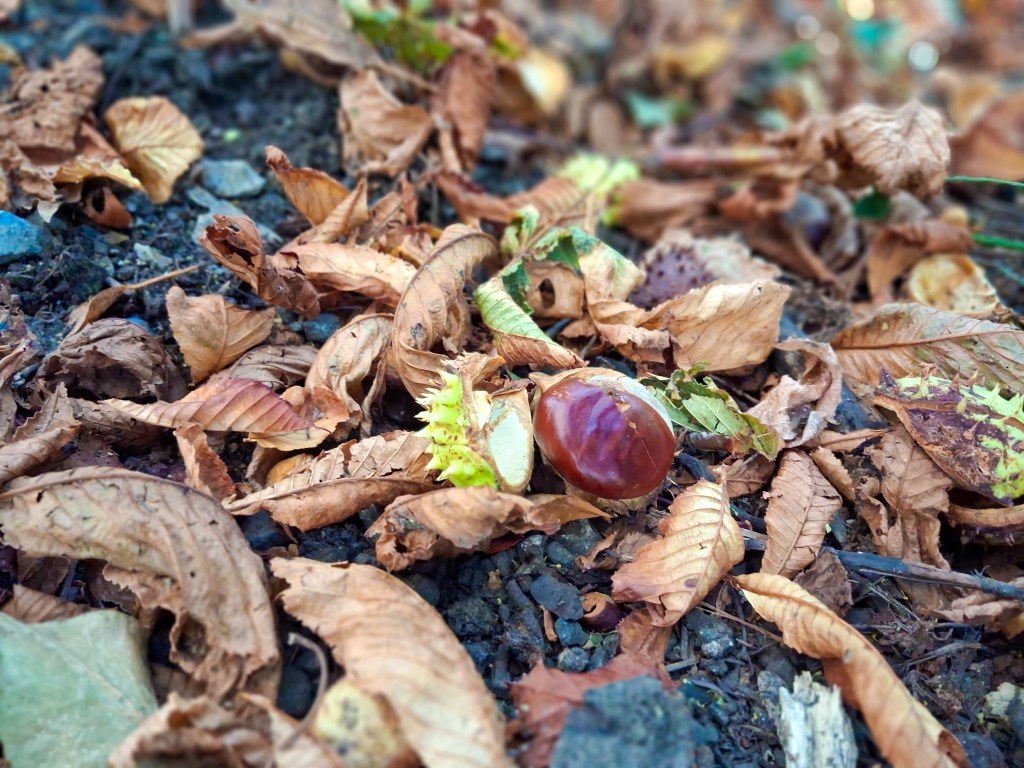
As for the origin of the term ‘conker’, there are several theories. Some say the name comes from an older game where snail shells, regionally known as conches or conkers, were threaded and smashed against each other. Another school of thought is that conker is derived from the word conqueror, the original name for the game where opponents competed to find out who had the nut that could defeat all-comers.
When I was young, there would be a frenzy of activity around horse chestnuts trees at this time of year, as kids vied to collect the best conkers from the ground. I remember trying all sorts of tricks to try and make mine invincible: soaking them in vinegar, baking them in the oven, and even adding a coat of nail varnish to harden the exterior.
But nowadays, I get the impression youngsters are less interested. As I walked through a park in Ipswich last week, I could not resist picking up a couple of lovely specimens, freshly emerged from their spiky green casings. Nearby, young people were pulling stunts on their skateboards or playing on their phones, oblivious to the shiny wonders lying in the grass only a few yards away.

